Westchester County NY Real Estate Source

Astor Lane Realty is your source for all things real estate in Westchester County NY!

Westchester County NY real estate is unlike any other housing market! We have the highest property taxes in the country and the bubble that burst a decade ago did not hit us as hard as other states and markets.

I would invite you to educate yourself about real estate in Westchester County NY before buying or selling. We just happen to be the firm that prioritizes our client's education and comfort before anything!

You can also find out more helpful information on Westchester County Real Estate by following us on FACEBOOK, INSTAGRAM, and YOUTUBE


Oct. 15, 2024

Exploring Pleasantville NY

 Exploring Pleasantville, New York: Real Estate, History, and Landmarks


Introduction: Discovering Pleasantville, NY

Nestled in Westchester County, Pleasantville, New York, is a charming village that offers residents a balance of suburban tranquility with easy access to urban amenities. Known for its welcoming community, excellent schools, and proximity to New York City, Pleasantville is a sought-after location for families, professionals, and retirees alike. Its real estate market offers a range of properties, from historic homes to modern developments, making it an attractive destination for homebuyers.

In this article, we’ll explore the real estate landscape in Pleasantville, while delving into its rich history and notable landmarks. This comprehensive guide will give you an inside look at why so many people are drawn to this picturesque village.


The Real Estate Landscape in Pleasantville, New York


Overview of the Pleasantville Real Estate Market

Pleasantville’s real estate market is diverse and dynamic, offering a range of housing options that cater to different preferences and budgets. The market includes everything from single-family homes, townhouses, and condos to more luxurious estates. The village’s well-maintained properties and scenic beauty are big draws, along with the fact that Pleasantville provides residents with easy access to nearby towns and cities via the Metro-North train station, which can get you to Grand Central Terminal in less than an hour.

Home prices in Pleasantville tend to be on the higher side due to its prime location in Westchester County and the quality of life it offers. The median home price in Pleasantville is typically between $700,000 and $1 million, but there are options both above and below that range. Buyers can find older homes with charming architectural features, as well as newly built homes that offer modern designs and amenities.


Types of Homes in Pleasantville

Pleasantville is known for its classic architecture, including Colonial, Tudor, and Victorian-style homes. These homes often have unique historical elements, such as detailed moldings, hardwood floors, and stone fireplaces. The village’s tree-lined streets add to the aesthetic appeal, creating a peaceful and picturesque environment for residents.

In addition to these classic homes, there are several modern developments in the area, offering buyers contemporary layouts with open floor plans, state-of-the-art kitchens, and energy-efficient features. Whether you are looking for a charming older home or a sleek new build, Pleasantville has a variety of options to fit your needs.


Market Trends in Pleasantville

The Pleasantville real estate market has remained strong over the past few years, driven by a high demand for suburban living and limited inventory. Like many other areas in Westchester County, Pleasantville has seen increased interest from buyers looking to escape the hustle and bustle of New York City. This has led to rising home prices and a competitive market where bidding wars are common.

In recent years, Pleasantville’s market has also attracted young professionals and families looking for top-notch schools and a close-knit community. While the market may cool down in the future, Pleasantville’s desirability is unlikely to diminish, given its strong appeal.


A Brief History of Pleasantville, New York


Early History

Pleasantville’s roots go back to the 18th century when European settlers first arrived in the area. It was originally part of a land grant from King William III of England. The village was officially incorporated in 1897, but its history began long before that.

In its early days, Pleasantville was largely a rural farming community. The construction of the New York Central Railroad in the mid-19th century brought about significant changes, as the village became more accessible to people working in Manhattan. This led to its development as a residential area for city workers who wanted to live in a more serene, rural environment.


Architectural Evolution

The architectural styles in Pleasantville reflect its historical progression. Many homes built during the early 20th century showcase the Colonial Revival and Tudor Revival styles, which were popular among the affluent classes of that era. The preservation of these homes adds a historical charm to the village, making it aesthetically distinct from its neighbors.


The Hollywood Connection

One of the most fascinating aspects of Pleasantville’s history is its connection to the early days of the film industry. In the early 20th century, Jacob Burns, a pioneer in motion picture production, set up one of the first studios in the village. Today, the Jacob Burns Film Center is a major cultural landmark in Pleasantville, hosting independent films, educational programs, and special events.


Mid-20th Century Growth

Following World War II, Pleasantville experienced rapid growth, like many suburban areas in the United States. New housing developments sprang up, and the village expanded to accommodate the influx of families moving out of New York City. During this period, Pleasantville solidified its reputation as a desirable suburban community.


Landmarks and Attractions in Pleasantville


Jacob Burns Film Center

As previously mentioned, the Jacob Burns Film Center is one of Pleasantville’s most iconic landmarks. Located in a historic building that was once a vaudeville theater, the film center is a hub for arts and culture in Westchester County. It showcases independent, documentary, and foreign films, and also offers educational programs for students of all ages. The center has attracted many famous filmmakers and actors, helping to put Pleasantville on the map as a cultural destination.


The Pleasantville Farmers Market

The Pleasantville Farmers Market is another beloved institution in the village. Held every Saturday, it is the largest year-round farmers market in Westchester County. The market offers a wide variety of locally grown produce, baked goods, dairy products, and artisanal foods. It’s a favorite gathering spot for residents and a great place to get a taste of the local community.


Graham Hills Park

For nature lovers, Graham Hills Park is a must-visit destination. This 431-acre park offers hiking and biking trails, as well as areas for picnicking and birdwatching. The park is a great place to escape the hustle and bustle of daily life and enjoy the natural beauty of the Hudson Valley.


The Old Village Cemetery

For history buffs, the Old Village Cemetery offers a fascinating glimpse into Pleasantville’s past. Established in the early 19th century, the cemetery is the final resting place of many of the village’s early settlers. The historic gravestones and peaceful surroundings make it a quiet but intriguing landmark in the heart of the village.


The Future of Pleasantville Real Estate


Sustainability and Modernization

As Pleasantville continues to evolve, sustainability and modernization are becoming increasingly important in the real estate market. Many new developments and home renovations in the village are incorporating green building practices, such as energy-efficient appliances, solar panels, and environmentally friendly materials. This trend is likely to continue as more buyers seek out homes that offer both luxury and sustainability.


Community-Oriented Living

One of the key attractions of Pleasantville is its strong sense of community. The village hosts numerous events throughout the year, including outdoor concerts, street fairs, and holiday celebrations. As the real estate market grows, maintaining this sense of community will be a priority for both residents and developers. Buyers are looking for more than just a home—they want to be part of a vibrant, close-knit community that offers a high quality of life.


Frequently Asked Questions About Pleasantville Real Estate


1. What is the median home price in Pleasantville, NY?

   - The median home price in Pleasantville is typically between $700,000 and $1 million, depending on market conditions and the type of property.


2. Are there good schools in Pleasantville?

   - Yes, Pleasantville is known for its highly rated public schools, including Pleasantville High School, which consistently ranks among the top in the state.


3. Is Pleasantville a good place for families?

   - Absolutely. Pleasantville offers a family-friendly environment with excellent schools, safe neighborhoods, and plenty of parks and recreational activities.


4. How far is Pleasantville from New York City?

   - Pleasantville is about 30 miles north of New York City. The Metro-North train from Pleasantville to Grand Central takes approximately 50 minutes.


5. What types of homes are available in Pleasantville?

   - The real estate market in Pleasantville includes a variety of options, such as single-family homes, townhouses, condos, and luxury estates.


6. What is the cost of living in Pleasantville?

   - The cost of living in Pleasantville is higher than the national average, largely due to housing costs. However, it offers a high quality of life that many find worth the investment.


7. Are there any historic homes in Pleasantville?

   - Yes, Pleasantville has several historic homes, particularly in styles like Colonial, Tudor, and Victorian. Many of these homes have been well preserved or renovated.


8. What is the crime rate like in Pleasantville?

   - Pleasantville is known for its low crime rate, making it one of the safer communities within the region.


9. Is Pleasantville a walkable village?

   - Pleasantville’s downtown area is very walkable, with restaurants, shops, and the train station all within close proximity. The residential areas are more suburban, with some neighborhoods offering sidewalks and easy access to parks.


10. Are there new developments in Pleasantville?

    - Yes, while Pleasantville is known for its historic homes, there are also newer developments that offer modern amenities and energy-efficient features.


11. What is the Jacob Burns Film Center?

    - The Jacob Burns Film Center is a prominent cultural landmark in Pleasantville, offering screenings of independent films and educational programs.


12. Does Pleasantville have a downtown area?

    - Yes, Pleasantville has a charming downtown area with a variety of restaurants, cafes, shops, and the farmer’s market.


13. What is the Pleasantville Farmers Market?

    - The Pleasantville Farmers Market is the largest year-round farmers market in Westchester County, offering fresh, locally grown produce and artisanal products.


14. Is there public transportation in Pleasantville?

    - Yes, Pleasantville has a Metro-North train station that provides easy

 access to New York City and other parts of Westchester County.


15. Are there parks and outdoor activities in Pleasantville?

    - Yes, Pleasantville offers several parks, including Graham Hills Park, which is popular for hiking and biking.


16. What is the history of Pleasantville, NY?

    - Pleasantville was incorporated in 1897, but its history dates back to the 18th century. It has grown from a rural farming community into a vibrant suburban village.


17. What are annual property taxes like in Pleasantville?

    - Property taxes in Pleasantville can be higher than average due to the area’s high property values and excellent public services. In addition, they are on the higher side, typical for Westchester County, reflecting the quality of local schools and services.


18. How competitive is the real estate market in Pleasantville?

    - The real estate market in Pleasantville is competitive, with high demand and limited inventory driving prices up.


19. What are some popular landmarks in Pleasantville?

    - Popular landmarks in Pleasantville include the Jacob Burns Film Center, the Pleasantville Farmers Market, and Graham Hills Park.


20. Is Pleasantville a good investment for real estate?

    - Yes, Pleasantville is considered a good investment due to its desirable location, strong community, and high-quality amenities. Property values in the area have shown consistent growth over time.


Pleasantville, New York, is a village with a rich history, vibrant culture, and a strong real estate market. Whether you're looking to buy a home or just learn more about this charming community, Pleasantville has much to offer. From its historic homes and landmarks to its excellent schools and convenient location, it's no wonder that Pleasantville is one of the most sought-after places to live in Westchester County.
Aug. 25, 2024

Do You Really Need a Buyer's Agent to Purchase a Home in Westchester County, NY?

Do I Really Need a Buyer's Agent in Westchester County, New York to Buy a House?

The real estate market in Westchester County, New York, is known for its diversity, ranging from charming suburban neighborhoods to luxurious estates. When venturing into this market, one of the most pressing questions you might ask is: "Do I really need a buyer's agent to buy a house?" While the answer isn't a simple yes or no, exploring the role and benefits of a buyer's agent can help you make an informed decision. This article delves into the significance of a buyer's agent in Westchester County, outlining their responsibilities, advantages, and addressing frequently asked questions.


Understanding the Role of a Buyer's Agent


What is a Buyer's Agent?

A buyer's agent is a licensed real estate professional who represents the interests of the homebuyer in a real estate transaction. Unlike listing agents, who work for the seller, a buyer's agent is dedicated to helping you, the buyer, navigate the complex process of purchasing a home.


Responsibilities of a Buyer's Agent

1. Market Research: A buyer's agent provides valuable insights into the Westchester County real estate market, including current trends, neighborhood comparisons, and property values.

2. Property Search: They assist in finding properties that meet your criteria, saving you time and effort.

3. Scheduling Viewings: Coordinating and accompanying you to property showings.

4. Negotiation: Advocating for your best interests during price negotiations and contract terms.

5. Paperwork: Managing the extensive documentation required in real estate transactions.

6. Due Diligence: Conducting necessary inspections and assessments to ensure the property's condition and legal standing.


The Benefits of Hiring a Buyer's Agent


Expert Knowledge and Experience

Westchester County's real estate market can be intricate, with varying property values and market conditions. A seasoned buyer's agent brings in-depth knowledge and experience, helping you make informed decisions. They can provide insights into which neighborhoods are going up in value, provide some guidance on where to find information on school districts, and what you should be careful of during the buying process.


Negotiation Skills

Negotiating a home purchase involves more than just agreeing on a price. A buyer's agent can skillfully negotiate contingencies, closing costs, and other terms to ensure you get the best deal possible. Their experience in negotiation can be particularly beneficial in a market like Westchester County, where multiple offers on desirable properties are common.


Time and Stress Management

Buying a home is a significant investment and can be a stressful process. A buyer's agent takes on much of the legwork, from scheduling viewings to handling paperwork, allowing you to focus on the bigger picture. Their support can alleviate much of the stress associated with home buying.


Professional Network

A buyer's agent typically has a network of professionals, including mortgage brokers, home inspectors, and attorneys, who can assist in various aspects of the home-buying process. This network can streamline your journey and ensure you have reliable resources at your disposal.


Common Concerns About Using a Buyer's Agent


Cost of Hiring a Buyer's Agent

One of the most common concerns is the cost. In earlier years, in most cases, the seller would pay the commission for both the listing and buyer's agents. This would mean that as a buyer, you typically did not have to pay “out-of-pocket” for your agent's services. However, as of August 17th, 2024, there is a new requirement, as a result of a proposed settlement agreement from a lawsuit regarding real estate commissions (more information can be found by CLICKING HERE). 

How Do These Industry Changes Affect You as a Buyer?

In earlier years, in most cases, you were able to get away without a written agreement for representation; now, in the spirit of transparency, you will need to identify who you want to represent your interests and how much you (as the buyer) are willing to pay for these services. Additionally, in earlier years, the sellers of homes would typically cover the commissions of both the listing AND buyer’s agent. With these new rules in effect, the responsibility of covering an agent’s compensation falls directly on the buyer.

**Disclaimer: there are still ways that an agent can get compensated through the seller and / or listing broker, but you should discuss this with them before entering into any agreement for representation. **


Loss of Control

Some buyers worry that using an agent might limit their control over the process. However, a good buyer's agent works closely with you, keeping your preferences and interests at the forefront. They provide guidance and expertise while ensuring you make the final decisions.


Trust and Transparency

Building trust with your buyer's agent is crucial. A professional agent will prioritize transparency, keeping you informed at every step and acting in your best interest. It's essential to choose an agent with whom you feel comfortable and confident.


Do You Need a Buyer's Agent in Westchester County?


When You Might Not Need a Buyer's Agent

1. Experience: If you have extensive experience in real estate and are familiar with the Westchester market, you might feel comfortable handling the process on your own.

2. Direct Purchase: If you're purchasing directly from a builder or through a pre-established connection, you might not need an agent.

3. Small Transactions: For smaller transactions or investment properties, some buyers prefer to handle the purchase independently.


When a Buyer's Agent is Essential

1. First-Time Buyers: Navigating the complexities of buying a home for the first time can be daunting. A buyer's agent can provide the necessary guidance and support.

2. Relocation: If you're moving to Westchester County from another area, a local agent can offer valuable insights and help you find a neighborhood that suits your needs.

3. Busy Professionals: If you have limited time to dedicate to the home-buying process, an agent can handle much of the work on your behalf.


Frequently Asked Questions


1. What is the difference between a buyer's agent and a listing agent?

A buyer's agent represents the interests of the homebuyer, while a listing agent works for the seller. The buyer's agent helps the buyer find and purchase a home, whereas the listing agent's primary goal is to sell the property at the best possible price for the seller.


2. How is a buyer's agent compensated?

In most cases, the seller pays the commission for both the listing and buyer's agents. This commission is typically split between the two agents and is a percentage of the home's sale price.


3. Can I work with multiple buyer's agents?

While you can, it's generally not advisable. Working with one agent can provide continuity and a stronger working relationship. If you're unhappy with your current agent, consider discussing your concerns with them before seeking a new one.


4. How do I choose the right buyer's agent?

Look for an agent with experience in the Westchester County market, positive client reviews, and a communication style that matches your preferences. Interview multiple agents to find the best fit for your needs.


5. What questions should I ask a potential buyer's agent?

- How long have you been working in real estate?

- What experience do you have in Westchester County?

- Can you provide references from past clients?

- How do you communicate with your clients?

- What is your availability for showings and meetings?


6. Do I need a buyer's agent for new construction homes?

While it might seem straightforward, having a buyer's agent can still be beneficial when purchasing a new construction home. They can help you understand the contract, negotiate upgrades, and ensure you're getting a fair deal.


7. What if I find a home on my own?

You can still use a buyer's agent if you find a home on your own. They can assist with the negotiation process, inspections, and closing, ensuring the transaction goes smoothly.


8. How do buyer's agents find homes?

Buyer's agents use multiple resources, including the Multiple Listing Service (MLS), their professional network, and sometimes exclusive listings not available to the general public.


9. What should I do if I'm not happy with my buyer's agent?

Communicate your concerns with your agent first. If the issues aren't resolved, you can consider finding a new agent. Ensure that any agreements you have with your current agent are terminated before switching.


10. Can a buyer's agent help with mortgage pre-approval?

Yes, many buyer's agents can recommend reputable mortgage brokers and help you understand the pre-approval process, making it easier to secure financing for your home purchase.


11. How long does it take to buy a home with a buyer's agent?

The timeline can vary based on market conditions, your specific needs, and how quickly you find a suitable property. On average, the process can take several weeks to a few months.


12. What are the risks of not using a buyer's agent?

Without a buyer's agent, you might miss out on professional guidance, market insights, and negotiation expertise, potentially leading to less favorable terms or missing critical issues during the transaction.


13. Can a buyer's agent help with post-purchase issues?

Yes, a good buyer's agent can assist with post-purchase issues, such as finding contractors for repairs or helping resolve any disputes that might arise after closing.


14. Do I need a buyer's agent for a short sale or foreclosure?

Short sales and foreclosures can be complex transactions. Having a buyer's agent experienced in these types of sales can be incredibly beneficial in navigating the additional challenges they present.


15. How does a buyer's agent handle multiple offers?

A buyer's agent can help you craft a competitive offer and advise on strategies to make your offer stand out in a multiple-offer situation, increasing your chances of securing the property.


16. What is dual agency, and should I avoid it?

Dual agency occurs when the same agent represents both the buyer and the seller. While legal in some states, it can lead to conflicts of interest. It's generally advisable to have separate representation to ensure your interests are fully protected.


17. Can a buyer's agent help with relocation services?

Yes, many buyer's agents offer relocation services, assisting with everything from finding temporary housing to providing information about schools and local amenities.


18. How do I know if a buyer's agent is working in my best interest?

A professional buyer's agent should be transparent, communicative, and focused on your needs. Look for agents who provide honest advice, even if it means advising against a property that might not be in your best interest.


19. What are the signs of a good buyer's agent?

- Strong communication skills

- Deep knowledge of the local market

- Positive client testimonials

- A proactive approach to finding properties

- Transparent and ethical practices


20. Can I use a buyer's agent for investment properties?

Absolutely. A buyer's agent can provide valuable insights into the investment potential of properties, help with financial analysis, and guide you through the process of purchasing investment real estate.


Conclusion

Deciding whether to use a buyer's agent when purchasing a home in Westchester County, New York, depends on your individual circumstances and preferences. While experienced buyers or those with specific connections might manage independently, the benefits of a buyer's agent—including market expertise, negotiation skills, and stress reduction—can be invaluable for many. By understanding their role and addressing common concerns, you can make an informed decision that best suits your home-buying journey.


July 1, 2024

Sell Your Home in Yonkers, NY: A Complete FSBO Guide

How to Sell Your House in Yonkers, New York Without a Real Estate Agent


Selling your house in Yonkers, New York, without the assistance of a real estate agent can be a challenging but rewarding endeavor. Known as "For Sale By Owner" (FSBO), this approach offers homeowners the chance to save on commission fees and have more control over the selling process. This comprehensive guide will walk you through the steps to successfully sell your home in Yonkers independently, complemented by answers to frequently asked questions to help you navigate this journey.


Step 1: Understand the Local Market

Before you put your house on the market, it's essential to have a solid understanding of the real estate climate in Yonkers. Research current market conditions, including the average price of homes, how long houses typically stay on the market, and the demand for homes in your neighborhood.

- Data Analysis: Utilize online real estate platforms like Zillow or Trulia to get an idea of pricing in your area.

- Local Trends: Consider factors that might affect the attractiveness of your neighborhood, such as new developments, school district ratings, and local amenities.


Step 2: Price Your Home Competitively

Pricing your home correctly is critical to attracting buyers and closing a sale efficiently. Price it too high, and you risk having it languish on the market; too low, and you may not get the return on your investment.

- Comparative Market Analysis (CMA): You can do a basic CMA by comparing your home to similar properties in your area that have recently sold or are currently on the market.

- Professional Appraisal: Consider hiring a professional appraiser. The cost can range from $300 to $600, but it provides a solid benchmark for pricing your home.


Step 3: Prepare Your Home for Sale

First impressions matter significantly in real estate. Ensuring that your home looks its best will help you attract buyers and possibly even drive the sale price up.

- Repairs and Renovations: Address any necessary repairs and consider minor renovations that could boost your home’s value.

- Staging: Staging your home can make a huge difference. A well-staged home often sells faster and for a higher price. You can either hire a professional stager or do it yourself by decluttering, rearranging furniture, and adding decorative touches.


Step 4: Market Your Property

Effective marketing is key to reaching potential buyers. Use a multifaceted approach to advertise your home.

- Online Listings: List your property on FSBO websites, local classifieds, and major real estate platforms that allow FSBO listings.

- Photography: Invest in professional photography to showcase your home in the best light.

- Signage: Place a “For Sale” sign in your yard with contact information and flyers that passersby can take.

- Open Houses and Private Showings: Host open houses to attract a group of potential buyers at once and be available for private showings as needed.


Step 5: Handle the Paperwork

The legal aspects of selling a home can be the most intimidating part of the FSBO process.

- Disclosures: New York state law requires sellers to complete a property condition disclosure statement or pay a $500 fee to the buyer if they choose not to provide the document.

- Contract and Closing: A real estate attorney can help you prepare the contract of sale and guide you through the closing process. This legal support is crucial to ensure that everything is in order, from the initial offer to the final sale.


Step 6: Negotiate the Sale

Negotiating directly with buyers can be challenging, but it also allows for direct communication and potentially quicker decisions.

- Offers: Be prepared to receive and evaluate offers. Decide in advance the minimum offer you are willing to accept.

- Negotiations: Keep negotiations professional. It’s important to be flexible but also firm in your negotiations to get a fair price.


Frequently Asked Questions


1. How do I determine the best-selling price for my home?

Determine your home’s value by conducting a comparative market analysis, considering recent sales of similar homes in your area, or hiring a professional appraiser.


2. Are there any legal requirements I should be aware of when selling my home FSBO in Yonkers?

Yes, you need to comply with New York’s property disclosure requirements and ensure all legal paperwork, including the contract of sale, is in order. Hiring a real estate attorney is recommended.


3. How can I market my home effectively?

Utilize a combination of online listings, professional photographs, physical signage, and open houses to reach a broad audience. Social media platforms can also be effective for marketing your home.


4. What should I do to prepare my home for sale?

Make necessary repairs, consider cost-effective renovations, declutter, and stage your home to make it appealing to potential buyers.


5. How do I handle showings without a real estate agent?

Schedule showings at your convenience and ensure you have a plan for safely showing your home, including screening potential buyers.


6. What are the benefits of selling my home without a real estate agent?

Selling without an agent saves you from paying commission fees and gives you more control over the selling process.


7. How do I negotiate offers on my own?

Evaluate each offer and negotiate terms directly with buyers. Be prepared to make counteroffers to reach a sale price that reflects your home’s value.


8. Should I hire a professional photographer?

Yes, high-quality photos are crucial for making a good first impression online and can help your listing stand out.


9. How long does it take to sell a house in Yonkers FSBO?

The time it takes to sell can vary widely based on market conditions, pricing, and how well you’ve prepared and marketed your home.


10. What if I receive an offer below my asking price?

Consider the offer carefully and negotiate. It’s normal for buyers to offer less than the asking price, especially if your home has been on the market for a while.


Selling your home in Yonkers without an agent is a feasible option that can save you money and give you greater control over the process. By understanding the market, pricing your home correctly, and effectively marketing and negotiating, you can successfully sell your home FSBO.

Posted in Sellers
June 14, 2024

Discover Yonkers Real Estate: Your Ultimate Guide to Homes, Neighborhoods, and Investment Opportunities in Yonkers, NY

Yonkers, New York Real Estate: A Comprehensive Guide

Introduction

Yonkers, New York, stands as a beacon of suburban charm blended with urban convenience, making it an appealing choice for those looking to buy or rent in the New York metropolitan area. As the fourth largest city in the state, Yonkers offers a diverse range of real estate options, from luxurious riverfront properties to more affordable single-family homes and apartments. This guide explores the nuances of the Yonkers real estate market, offering insights into its neighborhoods, price trends, investment potential, and answering the most frequently asked questions by prospective buyers and renters.

Understanding Yonkers

Location and Accessibility

Located just north of the Bronx, Yonkers is part of Westchester County and offers excellent connectivity to Manhattan and other parts of New York City through various transportation options, including Metro-North Railroad and several major highways. This accessibility makes Yonkers a prime location for commuters looking to balance city work with suburban living.

Diverse Neighborhoods

Yonkers is divided into several distinct neighborhoods, each with its own character and appeal:

  • Downtown Yonkers: Known for recent revitalizations, featuring new apartments, restaurants, and arts venues like the Yonkers Riverfront Library and the Hudson River Museum.
  • Northwest Yonkers: Offers picturesque views of the Hudson River and is popular for its parks and recreational areas.
  • Northeast Yonkers: Known for its tranquil residential areas, excellent schools, and shopping centers.
  • Southwest Yonkers: Close to the Bronx and diverse, with more urban living options.

Real Estate Market Trends

The real estate market in Yonkers has seen significant growth, influenced by its proximity to New York City and relatively more affordable prices. The influx of new developments and improvements in infrastructure have boosted property values, making it an attractive area for investors and homebuyers alike.

Buying a Home in Yonkers

Price Trends

The average price of homes in Yonkers varies widely based on neighborhood, property size, and condition. As of the latest data, the median home price in Yonkers is competitive compared to the rest of Westchester County, making it a more accessible option for many buyers.

Types of Properties

Yonkers offers a mix of residential options, including:

  • Single-family homes: Ranging from historic homes to modern builds.
  • Condominiums and co-ops: Especially popular in waterfront areas and downtown.
  • Multi-family homes: Offering investment opportunities or a way for buyers to offset mortgage costs.

Investment Potential

The demand for rental properties in Yonkers is strong, driven by those who seek proximity to NYC but at a lower cost. This demand makes Yonkers a robust market for real estate investors looking to purchase residential properties to rent out.

Renting in Yonkers

Rental Market Overview

Rental prices in Yonkers vary, with more affordable options generally found away from the waterfront and downtown areas. The presence of new luxury developments has introduced higher-priced rentals, attracting a mix of professionals and small families.

Lease Terms

Typical lease terms in Yonkers are 12 months, but flexible lease options can be found depending on the landlord and the type of property. It’s important for tenants to understand their lease agreements and know their rights under New York State law.

Living in Yonkers

Education

Yonkers Public Schools serve the city with a range of elementary, middle, and high schools, noted for their diverse programs and strong community involvement. Higher education is also accessible with institutions like Sarah Lawrence College and Mercy College nearby.

Recreation and Amenities

The city boasts numerous parks, such as Untermyer Park and Tibbetts Brook Park, which provide green space and recreational facilities. The Yonkers waterfront offers restaurants, bars, and public spaces that host various community events throughout the year.

Safety and Community

Yonkers is considered safer than other similar-sized urban centers, with dedicated community policing and active neighborhood associations contributing to the overall safety and community spirit.

FAQs about Yonkers Real Estate

1. What are the current real estate trends in Yonkers?

Answer: The Yonkers real estate market is experiencing growth, with rising property values and significant development, especially in downtown and waterfront areas.

2. Is Yonkers affordable compared to other parts of Westchester County?

Answer: Yes, Yonkers generally offers more affordable real estate options than many other parts of Westchester County.

3. What types of properties are available in Yonkers?

Answer: Yonkers has a diverse range of properties, including single-family homes, condos, co-ops, and multi-family units.

4. Are there good schools in Yonkers?

Answer: Yes, Yonkers has a variety of public and private schools that are well-regarded for their educational programs.

5. What is the average price of a home in Yonkers?

Answer: The average price can vary greatly depending on the neighborhood, but the median home price in Yonkers is competitive within the region.

6. How is the rental market in Yonkers?

Answer: The rental market in Yonkers is robust, with a range of options from luxury apartments to more affordable units.

7. What are the best neighborhoods in Yonkers for families?

Answer: Northeast Yonkers is often recommended for families due to its residential feel, good schools, and access to amenities.

8. Is Yonkers a good place for real estate investment?

Answer: Yes, the strong rental demand and growth in property values make Yonkers a good choice for real estate investment.

9. How safe is Yonkers?

Answer: Yonkers is generally considered safe, with lower crime rates than other cities of similar size.

10. What are the benefits of living in Yonkers?

Answer: Benefits include proximity to NYC, diverse real estate options, strong community feel, and good schools.

Conclusion

Yonkers, NY, offers a dynamic real estate market with options suitable for a range of budgets and lifestyles. Whether you're looking to buy, rent, or invest, Yonkers provides a unique blend of urban and suburban benefits, making it an increasingly popular choice in the New York metropolitan area.


June 4, 2024

Discovering Pocantico Hills: A Comprehensive Guide to Real Estate and Community Living in Westchester County

Pocantico Hills, New York: A Real Estate Gem in the Heart of Westchester County

Nestled in the scenic beauty of Westchester County, Pocantico Hills, New York, offers an idyllic setting for homebuyers searching for tranquility close to the vibrancy of New York City. This guide provides a comprehensive overview of the real estate market in Pocantico Hills, showcasing what makes this area unique, and ends with a detailed FAQ section to help prospective buyers navigate the local market.

The Appeal of Pocantico Hills

Pocantico Hills is a small, unincorporated hamlet in the town of Mount Pleasant. It is known for its lush landscapes, historical significance, and tight-knit community. The area offers a rare blend of rural charm and suburban convenience, making it an attractive option for families, retirees, and professionals alike.

Location and Accessibility

Just about an hour's drive from Manhattan, Pocantico Hills is perfectly positioned for those who work in the city but prefer the peace of a country lifestyle. Its proximity to major highways and public transportation options makes commuting a breeze. The nearby Tarrytown station provides efficient train services via the Metro-North Railroad, linking residents directly to Grand Central Terminal.

Educational Excellence

Pocantico Hills prides itself on its educational offerings. The Pocantico Hills Central School District serves students from pre-kindergarten through eighth grade, offering personalized attention with its small class sizes and a strong emphasis on both academic and extracurricular activities. High school students typically attend one of the nearby high schools in the Briarcliff Manor or Pleasantville districts, both known for their high educational standards.

Local Amenities and Attractions

The area is rich in cultural and recreational opportunities. The Rockefeller State Park Preserve offers more than 1,000 acres of forested trails and picturesque paths, perfect for hiking, horseback riding, and bird watching. Additionally, the Stone Barns Center for Food and Agriculture provides a unique farm-to-table dining experience and educational programs on sustainable agriculture.

Real Estate Overview

Pocantico Hills features a variety of real estate options, from historic estates and sprawling mansions to charming cottages and modern condominiums. The architecture reflects the area’s historical roots with many homes maintaining original features and period details.

Market Trends

As of the latest data, the real estate market in Pocantico Hills has been experiencing a rise in both demand and property values. This trend is driven by the area's desirability, limited housing supply, and the general influx of buyers looking for homes outside of urban centers.

Price Range

Housing prices in Pocantico Hills vary widely depending on the property type, size, and location. On average, homes range from $600,000 for smaller, older homes to over $2 million for larger estates. The median sale price has been on an upward trend, reflecting the area's growing popularity.

Investment Potential

Real estate in Pocantico Hills is considered a solid investment due to the area's steady appreciation rates and the overall stability of the market in Westchester County. The unique appeal of the area, coupled with limited available properties, supports a strong resale value for homes.

Living in Pocantico Hills

Residents of Pocantico Hills enjoy a high quality of life with low crime rates, excellent schools, and a close-knit community. The local government provides a wide range of services and maintains community facilities, including parks and public spaces that enhance the living experience.

Community Life

The community in Pocantico Hills is active and welcoming, with numerous local organizations and events that foster a sense of belonging. Seasonal events, such as the annual pumpkin festival and the winter holiday market, are highlights of the year.

Environmental Focus

The community is also committed to environmental sustainability. Initiatives like community gardening, recycling programs, and conservation efforts in local parks are testament to the residents' respect for their natural surroundings.

FAQs About Pocantico Hills Real Estate

1. What types of properties are available in Pocantico Hills?

  • Pocantico Hills offers a diverse range of properties, including single-family homes, townhouses, and luxury estates.

2. How do property taxes in Pocantico Hills compare to nearby areas?

  • Property taxes in Pocantico Hills are comparable to other parts of Westchester County, generally recognized as among the highest in the country. However, residents benefit from excellent public services.

3. What are the best neighborhoods or areas in Pocantico Hills?

  • The entire hamlet is highly regarded, but areas closer to the Rockefeller State Park Preserve are particularly sought after for their beauty and proximity to nature.

4. Are there any new developments in Pocantico Hills?

  • New developments are rare due to strict zoning laws and community efforts to preserve the area’s rural character. However, occasional renovations and expansions of existing properties occur.

5. What is the average time on market for homes in Pocantico Hills?

  • Homes in Pocantico Hills typically stay on the market for 30 to 60 days, depending on market conditions and property characteristics.

6. How does the school district in Pocantico Hills rank statewide?

  • The Pocantico Hills Central School District is highly rated, often ranked among the top school districts in New York State for academic performance.

7. What public transportation options are available in Pocantico Hills?

  • The nearest Metro-North station is in Tarrytown, offering convenient access to New York City.

8. What is the crime rate in Pocantico Hills?

  • Pocantico Hills enjoys a very low crime rate, making it one of the safest areas in the region.

9. Are there community centers or social programs in Pocantico Hills?

  • Yes, there are several community centers offering a range of social and recreational programs for all ages.

10. What is the impact of tourism on real estate in Pocantico Hills?

  • Tourism has a minimal impact on real estate, as the area is predominantly residential with few commercial enterprises.

Pocantico Hills, with its unique blend of rural charm and suburban convenience, continues to attract discerning buyers looking for a peaceful yet connected lifestyle. The area's robust real estate market, combined with its natural beauty and strong community, makes it a highly desirable location for anyone looking to invest in a home.


Aug. 30, 2023

Recent News Impacting U.S. Mortgage Interest Rates

U.S. Mortgage Rates soar to 7.23% - highest in 22 years - as of August 24, 2023

Here's my take on the potential effects of this rate increase:
1. Home Sales - this is the most obvious (and most strenuous) impact for the market as this adds additional pressure to the previous issue of available homes for sale.
2. Investor Behavior - real estate investors often factor in certain costs (acquisition, holding, financing, and disposition) when underwriting possible projects in the residential (and commercial) space. Higher costs, along with thinning margins, can lead to investors passing due to the viability of these projects.
3. Home Prices - this may not have the positive effect that most people think it will (at least not immediately) and most were waiting for.
Yes...sellers "may" have to adjust the asking price for a home (assuming they NEED to sell) to cater to the higher financing costs for buyers; however, the current supply and demand issue supersede everything at the moment, and it will take a lot longer for the downward pressure on pricing to happen (if at all...)
Westchester County NY Homes


Oct. 26, 2021

$100,000 over ask and you still lost the bidding war?

$100,000 over ask and you still lost the bidding war?!? Why isn't the seller accepting your offer? The issue becomes the appraisal of the subject property. The buyer's mortgage company will hire a third party appraiser to assess the value once they visit it in person. This helps them decide how much the property is worth in case they have to sell it in case of a foreclosure. In markets like the one we are experiencing today, this can cause a lot of issues when there is a huge difference between the agreed upon sales price and the appraised value. If you are put in a situation like this, then your realtor should be guiding you on all of your available options.  If they aren't guiding you the right way then what can happen is everyone moves on with the seller moving on to find another buyer and you (back at square one!) trying to find another home!

Comment below if you have any questions or if there are other real estate topics you would like to know more about!

CLICK HERE to schedule a phone call with a member of our team

Sept. 9, 2021

Struggling With Buying A Home in 2021?

Are you struggling with trying to buy a home in 2021? So is everyone! Here at Astor Lane Realty, we educate our buyers before they step foot in a home to ensure they are educated on the entire home buying process. With that said, here are 3 things that you need to make sure are happening to help get your offer accepted.

1) Your realtor is working with your mortgage professional to ensure you are fielding the best possible offer. Knowing how much you can afford and the appropriate loan program will help you compete with other buyers.

2) Your realtor has educated you on the buying process to ensure you understand everything from beginning to end? Just because you bought a house 5 years ago or in another state does not mean you have up to date info on how things operate in our area.

3) Your realtor is communicating with the listing agent to ensure your offers are aligning as much as possible with the seller's goals? Not all realtors will prioritize building rapport with the listing agent. This can often lead to missing out on information that can help you and the seller. If these things are NOT happening then you need to reassess your approach.

Leave a comment if you have any questions or if there are other real estate topics you want to know about.

Aug. 29, 2021

3 Remsen Road Unit# 2F Yonkers NY 10710

1 Bedroom Co-operative for sale in the private Remsen Gardens complex in Yonkers NY

This home is completely updated and has tons of natural light. The stylish kitchen goes well with the hardwood floors and modern bath that complete this spacious unit. Close to all shops, restaurant and transportation along Central Ave.

Living Room

CLICK HERE to learn more about this home, or if you are interested in a private viewing, all you need to do is click the link below to schedule a brief call with our office:

CLICK HERE TO SCHEDULE

July 29, 2021

Help Our Veterans, Homeowners!

Best Way Homeowners Can Help Veterans


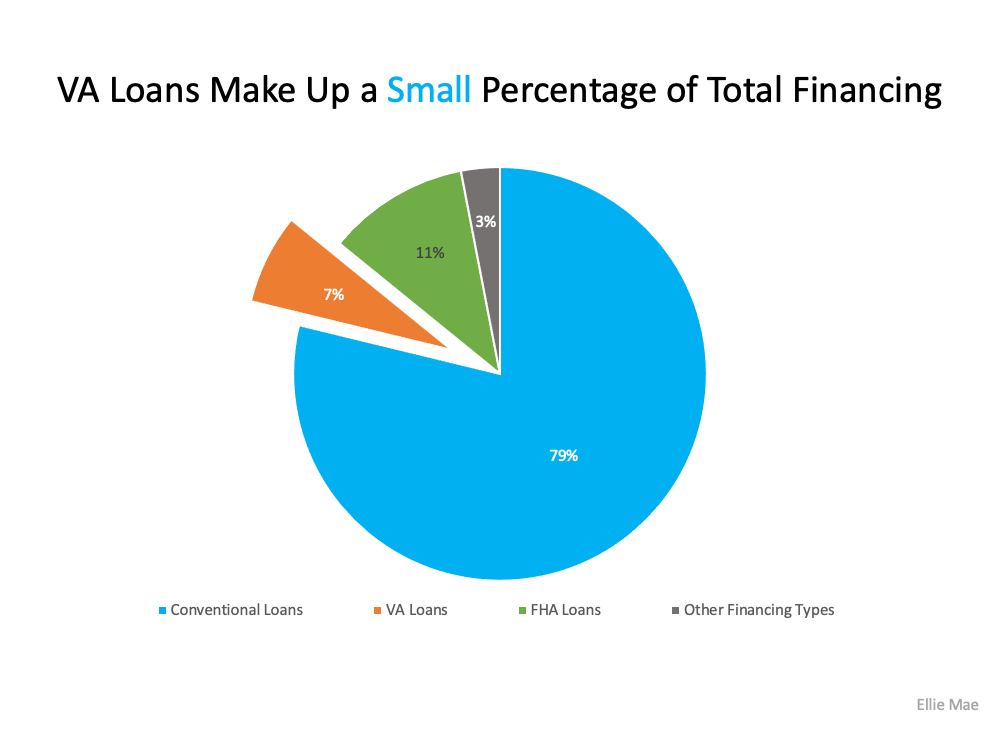
In a market where there is so much competition, there is one group of homeowners that are finding it even more difficult to purchase a home in the Hudson Valley, NY. Parts of the region like Westchester County NY, Rockland County NY, Putnam County NY, and Dutchess County NY are seeing significant increases in demand for home buyers looking to move up north from New York City. The pandemic has caused a spike in demand for extra space and, more importantly, outdoor space to assist those that are home a majority of the time due to remote situations.  This has caused a supply issue since demand increases daily. The byproduct of a massive buyer pool means those that are using VA and FHA financing are losing out in multiple offer situations due to being at the bottom of the hierarchy. The graphic below (obtained from MY KCM Page) displays the small percentage of homes that are being sold where buyers are using VA loans.

Home Sellers: There Is an Extra Way To Welcome Home Our Veterans | MyKCM

As a homeowner fielding multiple offers, you owe it to yourself to ensure you are educated on all the different types of loan programs that are available to buyers. This way, you will feel good knowing you are not relying solely on your local real estate agent to advise you which offer is best.


Posted in Buyers, Sellers